EMBER, by Corvexal
Learning should be free. So we made it good, too. Everyone gets the best one. Not the cheap one. Education, reimagined, and handed over. The frontier, opened to the people furthest from it. Made for the student nobody built it for.
Corvexal is the parent company behind EMBER, Aria and the Arc. We build at the frontier and give away what it proves.
Ask anything: the network, the model, why it is free. ⌘K from anywhere.
Corvexal is a research and
product company.
We build systems that make expertise cheap to distribute. Three things, in the order they depend on each other, the first is what a student holds, the second is what makes the first possible, and the third is where it has an address.

EMBER
Free for every student, permanently. No tier, no trial, no account to begin.

Aria
The orchestration underneath. Routes the work, verifies it against a different model family, and cites where it came from.
The Arc
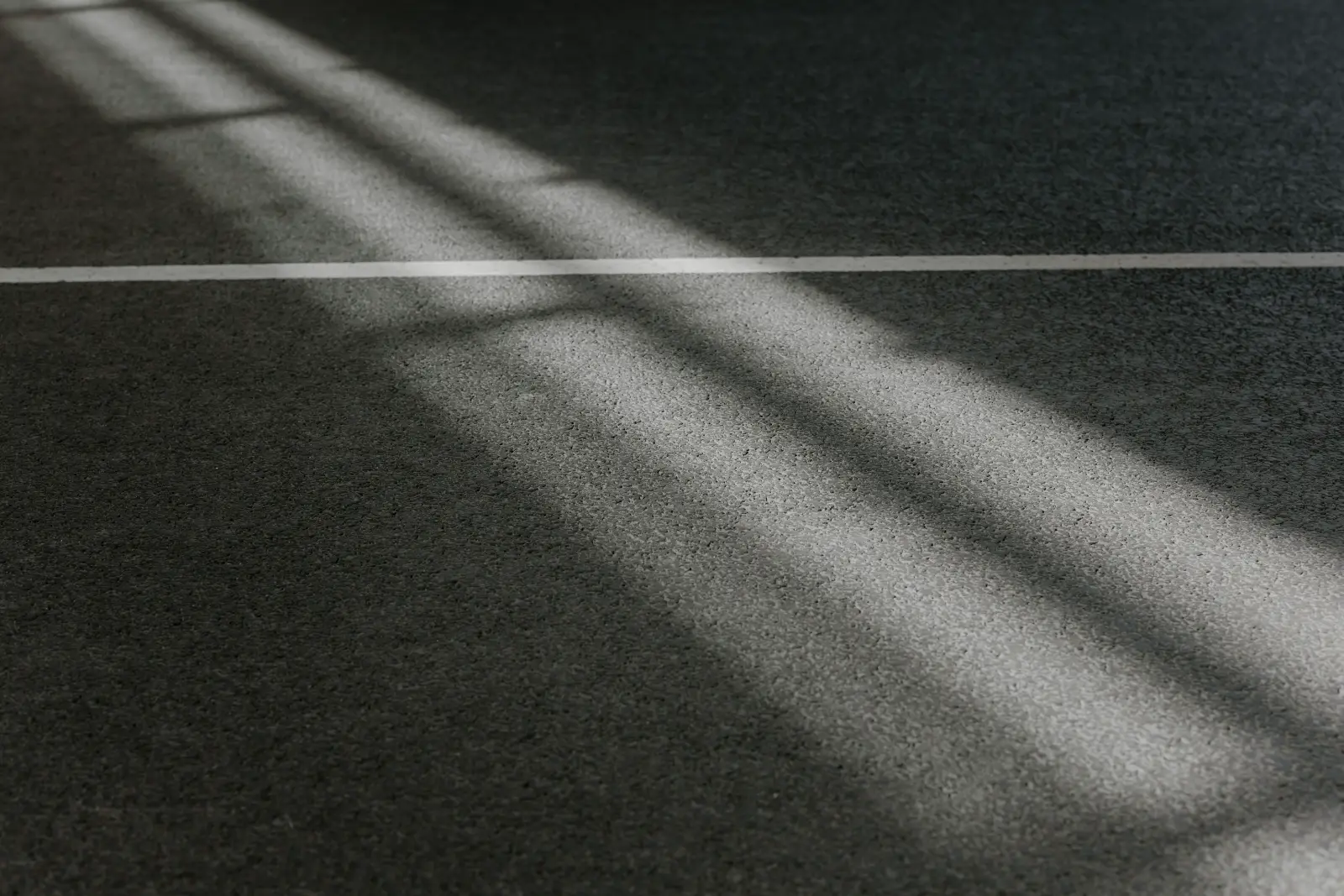
Buildings. Free to enter, open late, and somewhere to go at nine at night that is not closed.
Aria is what makes the free part possible.
Everything else we build will be built on her. Adding a surface is a configuration, not a rebuild, the same orchestration layer, the same memory, the same design system.
Why we exist
An explanation is built once, for an average nobody is. When it does not fit, the student decides the problem is them. It isn't. It is a fit problem, and fit is controllable.
That is the whole company in three sentences. Everything below is the machinery for making it true, for a student at eleven at night, for the teacher who wanted an evening back, for the administrator who has to answer for the outcome.
Who it is for
Three people, and none of them is a customer.

Not a simpler one. A different one, rebuilt around what they already have, and it shows its sources so they can check it.
The hours that go into re-explaining the same thing thirty different ways are hours that were never the job. We want them returned.
Every answer carries where it came from, which is the only version of this that survives an audit or a complaint.
The engine
Aria does not answer your question. She decides who should.
Aria is a control plane. She receives a task, decomposes it, routes each piece to whichever model is best suited and cheapest, verifies the result against a model from a different family, and returns it with a citation.
The model is disposable. Nothing in our codebase names one. Everything requests a capability, and one configuration file decides who fills it at runtime. A test in our build pipeline fails if anyone hardcodes a model name.
Hover or focus any box to read what it owns, and what it explicitly does not.
Routing is not free, and neither is checking. Every hop costs latency, and a verifier drawn from a different family means the checked path is paid for twice. We spend it where being wrong is expensive and we skip it where being wrong is cheap.
The router is also a model, so it can be wrong about which model to ask. That is why the verifier is never from the same family as the agent it checks, a shared blind spot between the two would make the check worthless.
How free stays free
The Reservoir
Filled by many, drawn from by each. Work that is shared gets made once and handed to everyone after that. The first student's question costs something. The five hundredth costs almost nothing.
Shared work amortises. A person's own history does not: their portfolio, their error patterns, the conversation they are in right now. That part is linear in users and it never caches.
So the curve flattens. It does not invert. Cost per student falls steeply at scale and then approaches a floor. We know there is a floor. We are measuring where it is.
What we build
One engine. Very different rooms.
01 · Higher education
EMBER
Free study software for the student who was handed an explanation written for somebody else.

02 · Schools
EMBER K–8 · 9–12
The same engine, pitched at the reading age it is talking to rather than at an average.
03 · Disability
CORVEXAL ACCESS
Where the interface adapts to the person, because a fixed interface is a decision about who gets in.
04 · Learning and development
CORVEXAL CORPORATE
The verticals: law, medicine, engineering, the public record, where being wrong costs something specific.
05 · Physical
THE ARC
Buildings. One Beacon per continent, then Arcs, then Nodes. Somewhere to go at 9pm that is not closed.
The numbers
We publish the methodology with the result.
These are measured, not estimated. When a number here changes, the date changes with it, and the previous value stays in the history rather than being overwritten.
The build-out
Nine buildings, then eighteen hundred.
Every point on the solid line is a figure Project Oracle states outright. The dashed run is the same document's twenty-year target carried forward, a projection, drawn differently because it is one.
Source: PROJECT_ORACLE.md §6, global deployment. Logarithmic, because a linear axis makes the first four years a flat line at zero and those are the only years anyone can hold us to yet.
Not yet measured
| Measure | Result | Method | Updated |
|---|---|---|---|
| Cost vs. monolithic frontier call | — | — | — |
| Uplift, 2-year-old base model | — | — | — |
| Verifier correlation (ρ), cross-family | — | — | — |
| Verifier correlation (ρ), same-family | — | — | — |
| Reservoir hit rate | — | — | — |
| Cost per active student / month | — | — | — |
Not yet measured. We are running the first full benchmark. We will publish the methodology whether or not we like the result.
A photographic globe showing the five planned Beacon cities: Chicago, Manchester, Lagos, Manila and São Paulo. None is built.
The Arc
An ember is private.
An Arc is where it is shared.
Buildings, eventually. One Beacon per continent and never more, then Arcs, then Nodes, sited where students already pass rather than where they live, because that is the variable that decides whether a building is full.
Five cities are chosen and none are built. The globe is a survey of intent, when a site has an address it gets a page with a photograph on it, and until then it does not.
The three tiers
Not marketing copy. A spec sheet.
Every tier is defined by numbers before it is defined by adjectives, what it has to be in order to work, written down before anything is signed.
Tier 1
The Beacon
The largest room in the network. A shuttered department store, a closed rail hall, a building that already exists and already knows how to hold a crowd.
| Area | 140–190,000 sq ft |
| Levels | 5–7 |
| Density | One per continent, and never more |
| Silent floor | 150–250 carrels |
| Hours | Open late, every day |
Tier 2
The Arc
The working unit of the network. Sited where students already pass rather than where they live, because that is the variable that decides whether a building is full.
| Area | 45–75,000 sq ft |
| Levels | 2–4 |
| Density | One per 250–400,000 students |
| Silent floor | Yes, one full floor |
| Hours | Open late, every day |
Tier 3
The Node
Density, not grandeur. A building twelve minutes away is used ten times more than a better one forty-five minutes away, and that ratio is the whole argument for this tier.
| Area | 12–25,000 sq ft |
| Levels | 1–2 |
| Density | One per 60–90,000 students |
| Silent floor | One room |
| Hours | Open late, every day |
How we build
Every line of our interface, credited to whoever wrote it first.
We publish the reference for every component we built, what we changed, what we rejected, and why. Twenty open-source authors are named, by handle, against the component each of them wrote.
There is also a compliance view: every dependency, every licence, the full text, exportable. An attorney can complete a review in an afternoon without asking us a question.
Nobody publishes their rejections. That is exactly why we do.
The reference, what changed, what was rejected. Compiled from the import ledger by a script, nobody maintains it by hand, which is why it cannot quietly go stale.
Not a thank-you list. A record of what open source actually did, against the component each one wrote.
Read off disk at build time, so the exhibit and the shipped file cannot disagree.
The founder
Kevin Madison
Kevin was the 4.0 student and the failing student in the same semester, at the same school, depending on what each course happened to be handing him.
That simultaneity is the founding insight: the student is not one thing, and their relationship to any system is not fixed.
He is studying to become a forensic neuroclinical psychiatrist. He built this in the gap.
Everywhere it lands
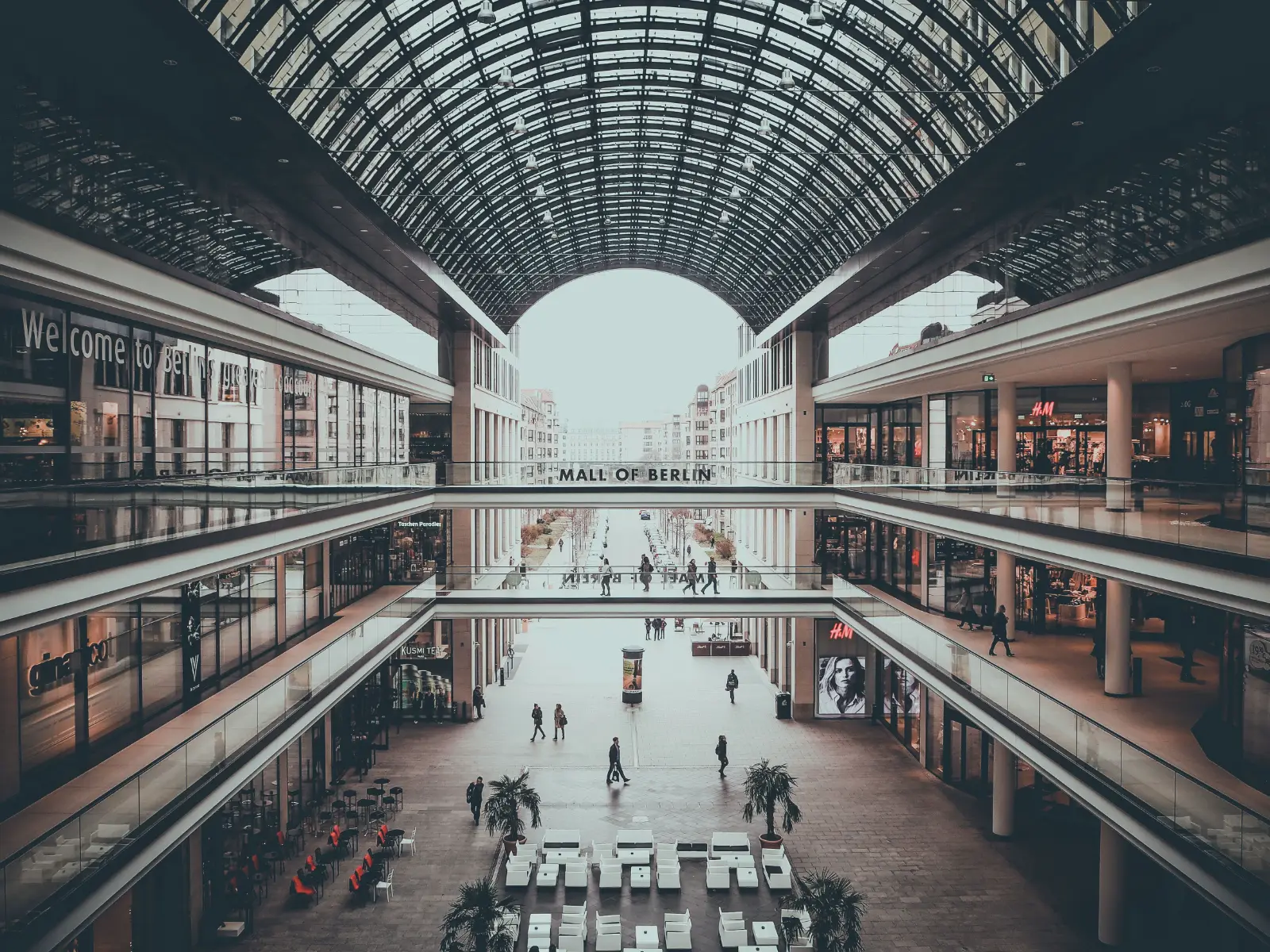
Reference photographs of the kind of room an Arc is made from. Not photographs of Corvexal buildings, because there are not any yet.


Corvexal
The parent company. We build at the frontier and give away what it proves.
Contact
Corvexal is one person in Chicago. The product is built. The company is being built.
If you are an institution, a journalist, an investor, or somebody who wants to work on this, there is a real person on the other end of these.
| Institutions | institutions@corvexal.net |
| Press | press@corvexal.net |
| Careers | careers@corvexal.net |
| General | hello@corvexal.net |